Curriculum
| EM | 28 weeks |
| Anesthesia | 2 weeks |
| Labor and Delivery | 2 weeks |
| Head and Neck Surgery | 2 weeks |
| PEM | 4 weeks |
| Critical Care | 4 weeks |
| ED based Trauma | 4 weeks |
| Vacation | 4 weeks |
| US | 2 weeks |
| EM | 30 weeks |
| Cardiology/Neurology | 2 weeks |
| MICU/SICU | 8 weeks |
| PEM | 4 weeks |
| EMS | 2 weeks |
| Elective | 2 weeks |
| Vacation | 4 weeks |
**4 US Scanning shifts/QA sessions throughout the year
| EM | 28 weeks |
| PEM | 4 weeks |
| Elective | 2 weeks |
| Research/US | 2 weeks |
| ED based Trauma | 4 weeks |
| MICU | 4 weeks |
| Vacation | 4 weeks |
| PICU | 4 weeks |
Core Rotation Sites
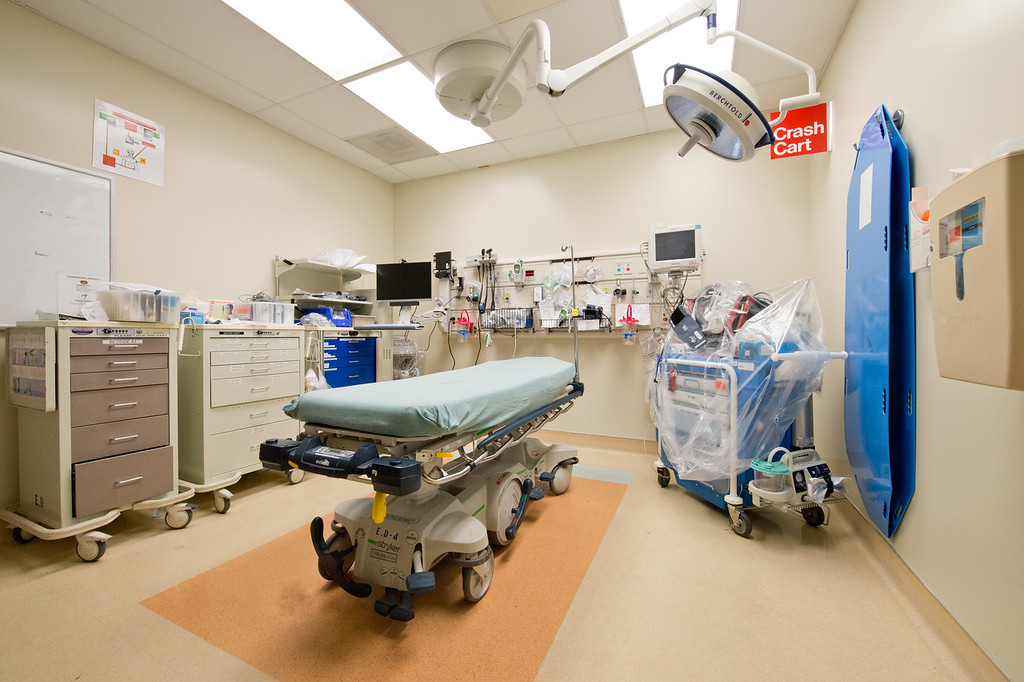
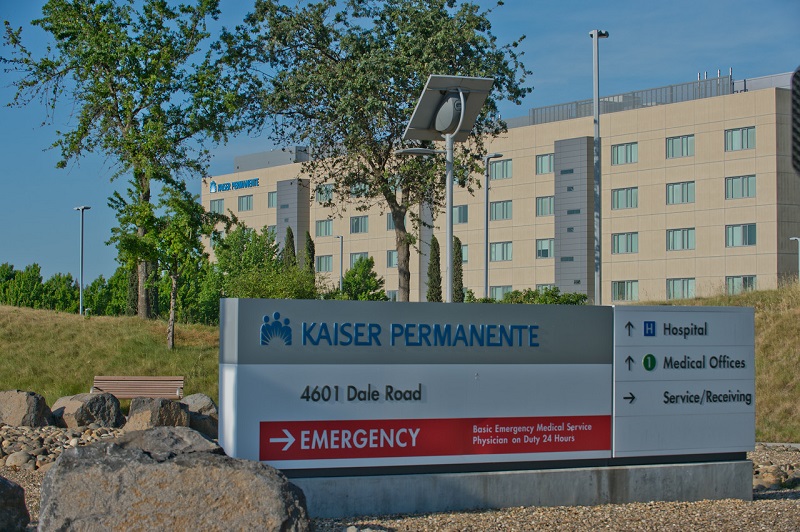
Kaiser Permanente Modesto Medical Center (MMC) is the 152-bed flagship hospital for Kaiser Permanente in the Central Valley. The Emergency Department has greater than 70,000 annual visits with 20% being pediatric visits. MMC is a regional stroke center and a regional STEMI center.
UCSF Benioff Children’s Hospital Oakland, formerly known as Children’s Hospital Oakland, is a 191-bed teaching hospital. The hospital is a level 1 pediatric trauma center (1 of only 5 in California) with an average of 700 trauma patients per year. Children’s sees more than 45,000 emergency department visits per year.
Kaiser Permanente Oakland Medical Center: Kaiser Oakland Pediatric Intensive Care Unit (PICU) is a 12-bed unit with a diverse mix of medical and surgical patients, including post-cardiac surgeries. Residents will train in this high acuity educational setting with the support of 24-hour in-house intensivist coverage.
Doctors Medical Center is a 461-bed hospital with over 100,000 emergency department visits per year. Doctors Medical Center is a level II trauma center and STEMI receiving center located near downtown Modesto.
Exceptional Trauma Training Across Diverse Clinical Settings
Our emergency medicine residents receive robust and comprehensive trauma training across multiple high-acuity sites, ensuring wide-ranging exposure and skill development from day one.
From the start of intern year, residents complete Advanced Trauma Life Support (ATLS) during our orientation bootcamp, laying a strong foundation for trauma care. As an unopposed program, any traumas that self-present to KP Modesto are stabilized by our ED team and all orthopedic reductions are completed by the ED team.
Throughout all three years of residency, including intern year, residents rotate at UCSF Benioff Children’s Hospital Oakland one of only six Level 1 Pediatric Trauma Centers in California. As a premier training site, it offers residents the unique opportunity to care for
critically injured pediatric patients and participate in pediatric trauma alerts during their Pediatric EM blocks. In addition to pediatric trauma, residents complete trauma-focused blocks and longitudinal shifts at Doctors Medical Center, a high-volume Level 2 Adult Trauma Center. Here, our residents are unopposed in performing trauma procedures and trauma airways, providing unmatched hands-on experience in managing severely injured patients.
To further augment their trauma exposure, residents have the option to complete an ED based trauma elective at San Joaquin General Hospital during their second and third years. This Level 2 County Trauma Center sees over 1,200 trauma activations per year and offers a variety of blunt and penetrating trauma for additional trauma airway experience.
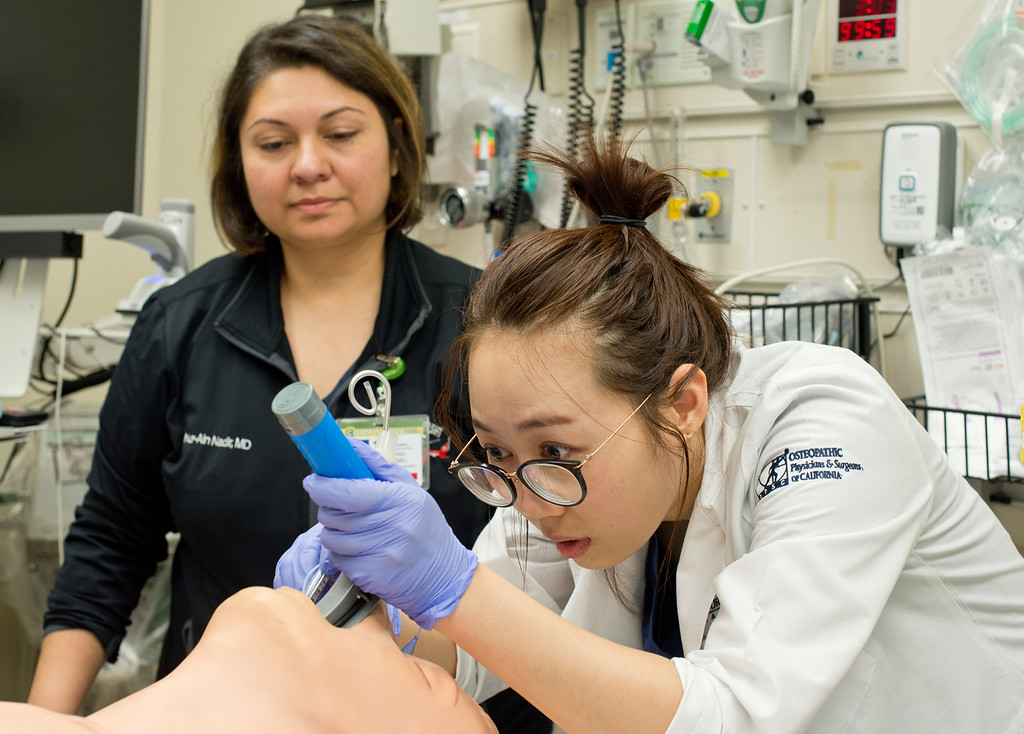
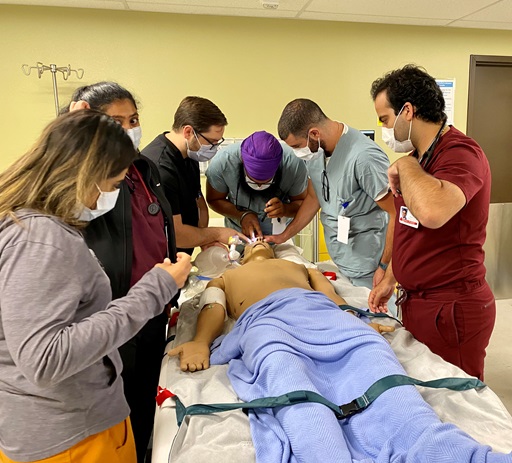
Our trauma training is enhanced by a comprehensive simulation program that includes dedicated trauma simulations throughout all three years. The residency also owns a trauma manikin, which allows residents to regularly practice high-stakes procedures such as cricothyroidotomy, chest tube insertion, needle decompression, and pericardiocentesis in a controlled, high-fidelity environment.
Our diverse trauma sites ensure that residents graduate confident and capable in the full spectrum of trauma care pediatric to adult, urban to rural, and everything in between.
Weekly Didactic Conferences
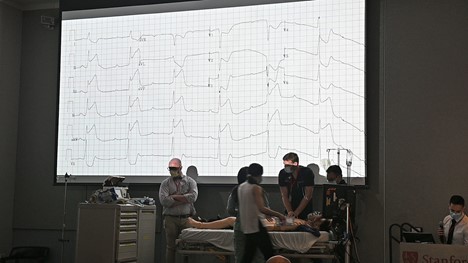
There are 5 hours of scheduled in person didactics per week. Our curriculum utilizes a combination of small group discussions, interactive lectures, mock board cases, simulations, hands on procedure lab, assigned readings, and practice questions to cover the core content of Rosen’s or Tintinalli’s twice over a three-year span.
Planned didactic conferences also include:
- Morbidity and Mortality Conferences
- Monthly Simulation Conferences
- Procedure labs
- EKG lecture series
- Faculty EM Topics Lectures
- Certifying Exam Cases
- Patient Safety and Quality Improvement Lectures and Workshops
- Research updates
- Resident Complex Case Presentations
- US sessions
- Advanced EM workshops
- Research Smackdowns
- PGY3 Grand rounds
- Guest speakers
Electives
Residents at Kaiser Central Valley have 4 weeks of elective time during their training. A wide range of electives are available to help residents explore areas of emergency medicine in more depth. Residents can develop new electives (pending approval from the program director). Examples of elective opportunities are listed below.
- Community ED Elective (Kaiser Permanente Hawaii)
- ED Administration
- Global Health
- Toxicology
- Advanced Ultrasound
- Medical Education/Simulation
- Ophthalmology
- Advanced Anesthesiology
- Radiology
- Sports Medicine
- EMS
- Community ED Elective (San Joaquin General Hospital in Stockton)
- Wilderness Medicine
Longitudinal Tracks, Community Engagement, and Interest Groups
Our program offers a variety of longitudinal tracks, interest groups, and community engagement opportunities designed to support residents in developing their professional identity and exploring areas of passion within emergency medicine.
These groups meet regularly for journal clubs, skill-building sessions, and mentorship, providing residents with enhanced learning, hands-on experiences, and supportive networking within the field.
We also encourage active involvement in local outreach and volunteer efforts to promote service and connection with the broader community. You can participate as a volunteer on the Medical Team for the Sacramento Ironman or at one of the local community clinics. You can also get involved in STEM pipeline programs such as Destination Medicine and Black Men in White Coats, which aim to inspire and support the next generation of healthcare professionals.
Current Tracks and Interest Groups Include:
- Education Track
- FeminEM Interest Group
- Social EM Interest Group

Additional Educational Opportunities
- Patient Safety Fellowship (non-ACGME): This is a one-year fellowship program, with up to two positions offered annually. Applications launch in late summer to early fall.
- Community Medicine Fellowship (non-ACGME): This is a 13-month fellowship program, with seven distinct fellowships offered in Community Health. Applications launch in late summer to early fall.
- Junior Faculty Fellowships: All positions are contracted 12-month positions. Anticipated fellowship dates are July-August of the following year. Fellows’ individual curriculums are customizable to their areas of interest.